


Hearing a diagnosis related to brain health can feel overwhelming—especially when the timeline is unclear. One of the most common questions people ask is: how quickly does small vessel disease progress?
The short answer is: it varies. Some people experience very slow changes over many years, while others may notice symptoms sooner. In this guide, we’ll break down what affects progression, what to expect, and how to manage it effectively.
What Is Small Vessel Disease?
Small vessel disease (SVD) refers to damage in the tiny blood vessels in the brain. These vessels are responsible for supplying oxygen and nutrients, so when they’re affected, brain function can gradually change.
It’s often linked to aging, but other factors like high blood pressure and diabetes play a major role.
How Quickly Does Small Vessel Disease Progress?
The progression rate isn’t the same for everyone. For many individuals, it develops slowly over years or even decades.
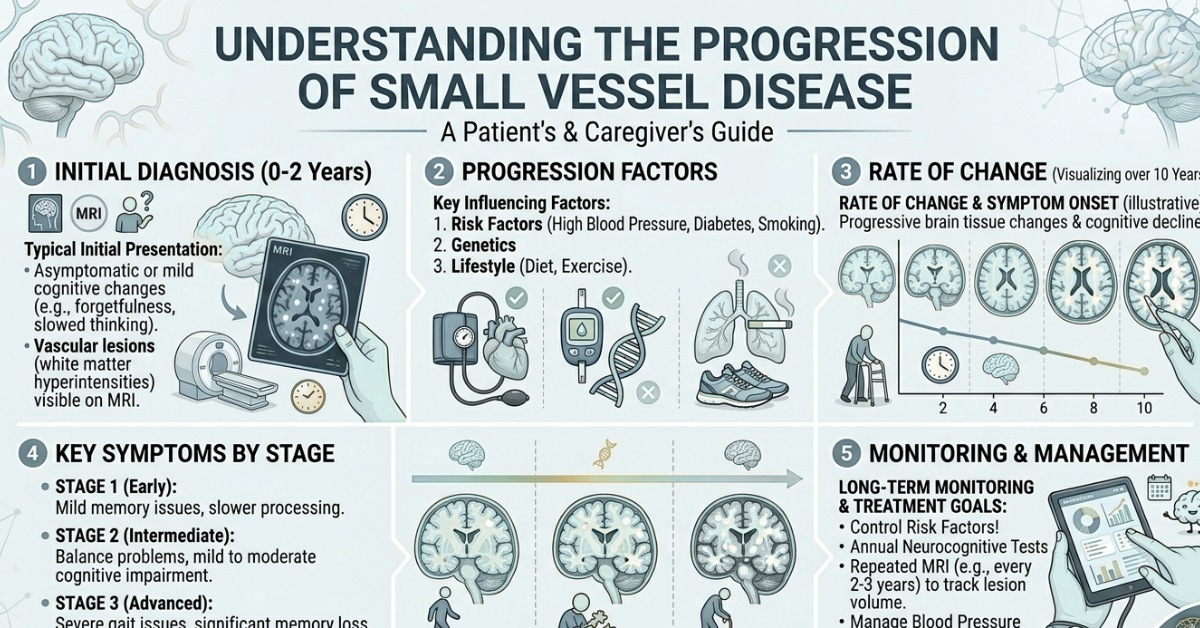
Typical Progression Timeline:
- Early stage: Often no noticeable symptoms
- Middle stage: Mild cognitive or physical changes
- Advanced stage: Increased risk of stroke or dementia
When asking how quickly does small vessel disease progress, it’s important to understand that lifestyle, genetics, and medical care all influence the speed.
Factors That Affect Progression Speed
Several key factors can either slow down or accelerate the condition.
1. Blood Pressure Control
High blood pressure is one of the biggest contributors. Poor control can speed up vessel damage.
2. Age
As we get older, blood vessels naturally become less flexible, increasing risk.
3. Lifestyle Habits
- Smoking
- Lack of exercise
- Unhealthy diet
These can all worsen progression.
4. Underlying Health Conditions
Conditions like diabetes and high cholesterol significantly impact how the disease develops.
Symptoms to Watch For
Symptoms often appear gradually, which is why they can be easy to miss at first.
Common Signs:
- Memory problems
- Difficulty concentrating
- Slow thinking
- Balance issues
- Mood changes
Not everyone experiences all symptoms, and their severity can vary.
How Small Vessel Disease Progresses Over Time
Understanding the stages helps answer concerns about progression.
Early Stage
- Often detected only through brain imaging
- No obvious symptoms
Moderate Stage
- Mild cognitive decline
- Occasional coordination issues
Advanced Stage
- Noticeable memory loss
- Increased fall risk
- Higher likelihood of stroke
This gradual development explains why many people live with the condition for years without severe effects.
How to Slow Down Progression
While you can’t reverse the damage, you can significantly slow it down.
Practical Steps:
- Control blood pressure: Keep it within a healthy range
- Eat a balanced diet: Focus on fruits, vegetables, and whole grains
- Exercise regularly: Even walking helps improve circulation
- Quit smoking: One of the most impactful changes
- Manage stress: Chronic stress affects overall health
These changes can make a real difference over time.
Is Progression Different in the UK?
Many people also search how quickly does small vessel disease progress uk, often wondering if healthcare systems or lifestyle differences play a role.
The reality is that progression rates are similar globally. However, access to early diagnosis, treatment, and preventive care can influence outcomes.
When to Seek Medical Advice
Early intervention is key.
Consult a doctor if you notice:
- Sudden memory changes
- Frequent dizziness
- Trouble walking or balancing
- Unusual confusion
Prompt evaluation can help manage symptoms and prevent complications.
FAQs
Can small vessel disease progress quickly?
In some cases, yes—especially if risk factors like high blood pressure are not controlled. However, it’s usually a slow process.
Is it the same as dementia?
Not exactly, but it can contribute to certain types of dementia over time.
Can it be reversed?
No, but progression can often be slowed significantly with proper care.
Does everyone with SVD develop symptoms?
No. Some people remain symptom-free for years.
What’s the biggest risk factor?
High blood pressure is considered the most significant contributor.
Conclusion
So, how quickly does small vessel disease progress? For most people, it’s a gradual condition that unfolds over time—but the pace depends heavily on lifestyle and medical management.
The key takeaway is simple: early awareness and consistent care can make a meaningful difference. By managing risk factors and staying proactive, you can slow progression and maintain a better quality of life.
If you’re concerned about symptoms or risk, the best next step is to speak with a healthcare professional and take control of your long-term health.